
Dlaczego nikt nie kupuje, dopóki nie zaboli: Lekcje z inwazji termitów
Nie mogłem przekonać właściciela mieszkania do opłacenia dezynsekcji, dopóki nie przestałem mówić o robakach, a zacząłem o gniciu konstrukcji. Oto dlaczego użytkownicy ignorują Twój produkt, dopóki nie uderzysz w ich strach, chciwość lub wizerunek.

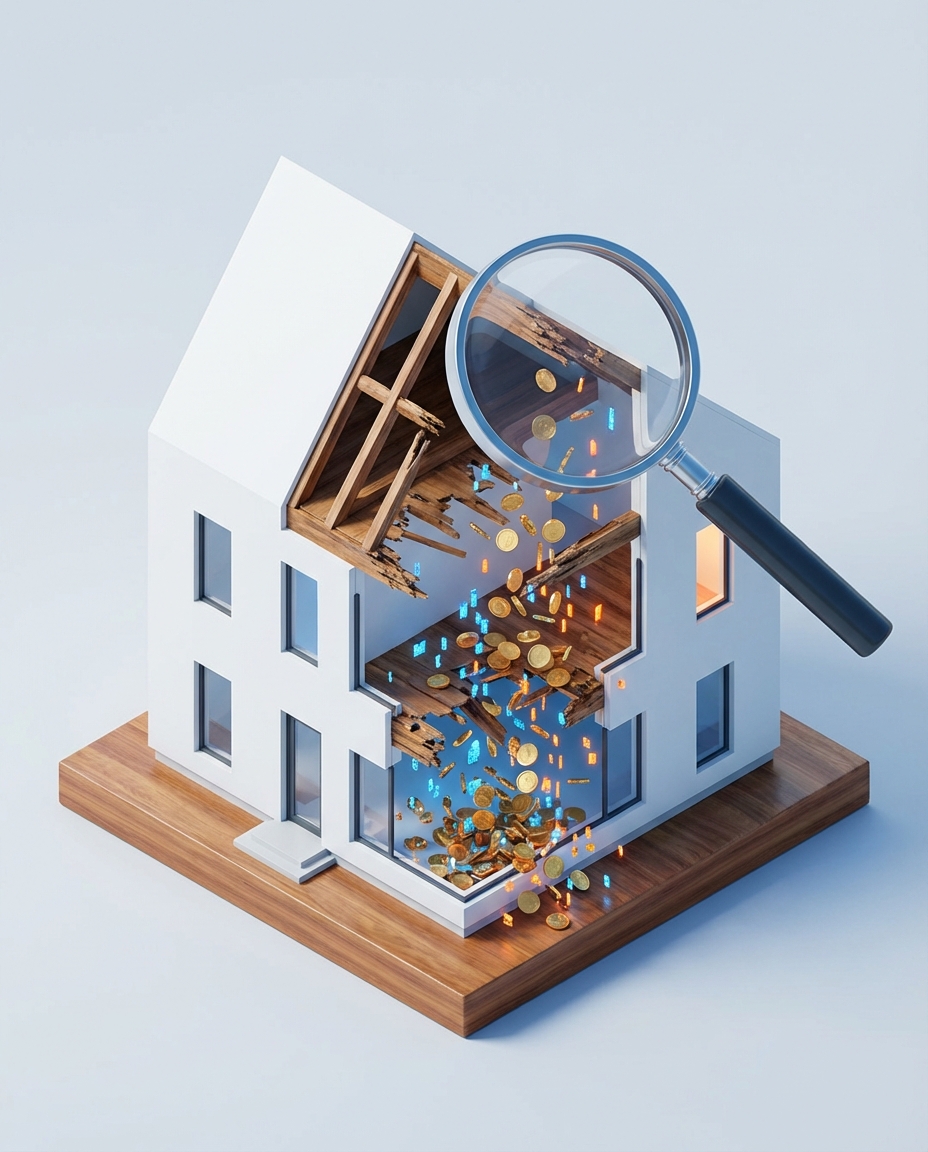
Istnieje pewien specyficzny wyraz niechęci, który pojawia się na twarzy właściciela mieszkania, gdy prosisz go o wydanie pieniędzy.
Widziałem to wyraźnie w tym tygodniu. Zmagamy się w domu z paskudną plagą robactwa – konkretnie z termitami. To obrzydliwe, irytujące i z każdym dniem jest coraz gorzej. Ale kiedy powiedzieliśmy o tym właścicielom, ich reakcją nie była troska. Była nią irytacja. Nie widzieli robaków na własne oczy; to nie oni tam spali. Dla nich byliśmy po prostu roszczeniowymi lokatorami stwarzającymi problem.
To jest Efekt Widza (Bystander Effect) w najczystszej postaci. To mechanizm obronny. Jeśli ból nie dotyczy mojego ciała ani mojego konta bankowego w tej chwili, mój mózg klasyfikuje go jako sprawę niepilną.
Skłoniło mnie to do myślenia o tym, jak często my, jako founderzy, nie potrafimy sprzedać naszych produktów z dokładnie tego samego powodu.
Olśnienie w sprawie właściciela
Rozmowa z właścicielem zmierzała donikąd. Opisywałem sytuację logicznie: "Są insekty. Potrzebujemy dezynsekcji".
Jego odpowiedź była sceptyczna. Nie widział ich. Nie czuł bólu.
Więc zmieniłem narrację. Przestałem opisywać funkcję (obecność robaków), a zacząłem opisywać konsekwencję (utratę jego aktywów).
"Nie chodzi tylko o to, że widzimy robaki" – powiedziałem mu. "Widzimy kupki trocin w rogach. To oznacza, że zjadają drewno wewnątrz ścian. Konstrukcja wilgotnieje. Jeśli nie zajmiemy się tym dzisiaj, wilgoć sprawi, że szkielet zgnije, a wartość domu gwałtownie spadnie. Poza tym, wyobraź sobie spanie w łóżku, gdy coś chodzi ci po twarzy".
Jego nastawienie zmieniło się natychmiast.
Nagle abstrakcyjna irytacja stała się konkretną stratą finansową i namacalnym, przerażającym obrazem. Autoryzował płatność od ręki.
Dlaczego? Ponieważ przestałem próbować sprawić, by przejął się moim dyskomfortem, a zmusiłem go do zwizualizowania jego straty.
Brak bólu to brak sprzedaży
Większość startupów umiera, ponieważ sprzedają usługi deratyzacyjne ludziom, którzy nie uważają, że mają robaki.
Budujemy funkcje. Mówimy o "wydajności napędzanej przez AI" albo "bezproblemowej integracji". Ale użytkownicy nie budzą się rano z nadzieją na zakup bezproblemowej integracji. Budzą się z nadzieją na uniknięcie bólu, zysk lub poprawę wizerunku.
Jeśli nie sprawisz, że użytkownik poczuje problem na własnej skórze, nie otworzy portfela. Musisz przenieść go w scenariusz, w którym nieużywanie twojego produktu wydaje się niebezpieczne lub głupie.
Oto trzy psychologiczne dźwignie, które faktycznie napędzają decyzje: Chciwość, Strach i Wizerunek.
1. Dźwignia Chciwości: Mechanizm Groupona
Zanim Groupon stał się przestrogą przed zbyt szybkim skalowaniem, był absolutnym mistrzem w wykorzystywaniu chciwości jako broni.
Mechanizm:
- Dla Użytkowników: To nie była tylko zniżka; to był znikający zasób. "Ta oferta wygasa za 4 godziny". Jeśli nie zadziałasz, tracisz pieniądze. Sprawili, że oszczędzanie pieniędzy dawało uczucie ich zarabiania.
- Dla Sprzedawców: Obiecywali pozyskanie klienta przy zerowym ryzyku.
Lekcja: Istoty ludzkie czują awersję do straty, ale jesteśmy też uzależnieni od dopaminowego strzału po "wygranej". Groupon nie sprzedawał kuponów; sprzedawał uczucie ogrania systemu. Jeśli twój produkt B2B twierdzi, że oszczędza pieniądze, nie mów po prostu "jest tańszy". Pokaż im dokładnie, ile gotówki obecnie przepalają, nie używając twojego rozwiązania.
2. Dźwignia Strachu: Dlaczego Ring sprzedał się za miliard dolarów
Ring (firma od dzwonków do drzwi) to mistrzowska lekcja sprzedawania strachu bez bycia nieetycznym.
Mechanizm: Ludzie są przerażeni nieznanym. Czy moja paczka jest bezpieczna? Kto puka o 22:00? Czy moja rodzina jest bezpieczna?
Ring nie reklamował się jako firma produkująca kamery. Reklamowali się jako "cyfrowy pies obronny". Wzięli niewidzialny lęk związany z posiadaniem domu – strach przed intruzem – i dali użytkownikom sposób, by go zobaczyć i kontrolować.
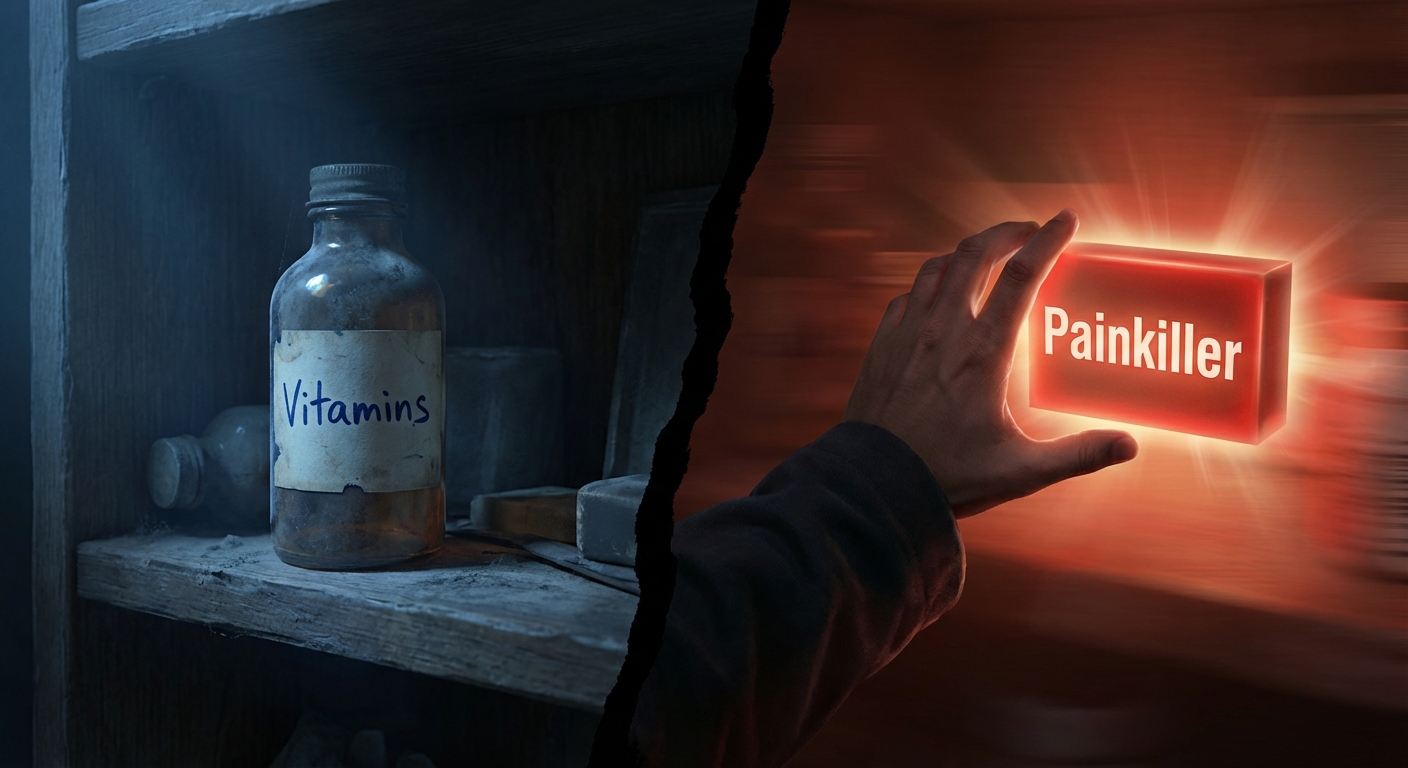
Lekcja: Ból jest silniejszym motywatorem niż przyjemność. Użytkownicy będą zwlekać z kupnem witaminy, ale popędzą po środek przeciwbólowy. Znajdź lęk, który twój użytkownik ma z tyłu głowy – strach przed wyciekiem danych, strach przed niewyrobieniem targetu sprzedażowego, strach przed pozostaniem w tyle – i zaoferuj antidotum.
3. Dźwignia Wizerunku: Ego Facebooka i Snapchata
Lubimy myśleć, że jesteśmy racjonalni, ale jesteśmy stadnymi naczelnymi z obsesją na punkcie statusu.
Facebook eksplodował dzięki nieintuicyjnej decyzji o wymuszaniu prawdziwych nazwisk i uniwersyteckich adresów e-mail. Nie chodziło o prywatność; chodziło o status. Prawdziwy profil oznaczał prawdziwe koneksje, co oznaczało, że twoje działania online budowały twoją reputację w świecie rzeczywistym.
Snapchat podszedł do wizerunku z innej strony. Połączyli wszystkie trzy dźwignie:
- Chciwość (Zabawa/Za darmo): Małe tarcie (niski próg wejścia).
- Strach (Prywatność): Strach, że twoje głupie zdjęcia będą cię prześladować na zawsze (rozwiązany przez znikające wiadomości).
- Wizerunek (Bycie Cool): Używanie Snapchata oznaczało, że jesteś młody, surowy i autentyczny.
Lekcja: Oprogramowanie B2B również ma komponent wizerunkowy. Nikt nie kupuje IBM dlatego, że jest fajny; kupują go, bo nie chcą wyjść na idiotów, wybierając ryzykownego dostawcę. "Nikt nie został zwolniony za zakup IBM" to sprzedaż oparta na wizerunku.
Praktyczne wnioski dla twórców
Od incydentu z termitami patrzę na moje własne landing page'e inaczej. Jeśli masz problem z konwersją, zadaj sobie te pytania:
- Sprzedajesz robaka czy zgniliznę? Nie wymieniaj funkcji. Opisz, co się stanie, jeśli nie kupią. "Trociny w rogach" konwertują lepiej niż "zabijamy termity".
- Czy potrafią zwizualizować ból? Mój właściciel nie przejmował się, dopóki nie kazałem mu wyobrazić sobie robaków na jego twarzy. Używaj języka, który przywołuje szczegóły sensoryczne. W B2B oznacza to pokazywanie zabałaganionych arkuszy kalkulacyjnych i straconych godzin, a nie tylko czystego dashboardu.
- Za którą dźwignię ciągniesz? Wybierz jedną: Czy czynisz ich bogatymi (Chciwość), zapewniasz im bezpieczeństwo (Strach), czy sprawiasz, że wyglądają dobrze (Wizerunek)? Jeśli spróbujesz zrobić wszystkie trzy po trochu, poniesiesz porażkę. Jeśli uderzysz mocno w jedną, wygrasz.
Myśl końcowa
Często zakładamy, że użytkownicy są logicznymi maszynami do podejmowania decyzji. Nie są. Są zajętymi, rozproszonymi, emocjonalnymi ludźmi, którzy martwią się głównie o własne problemy.
Aby przykuć ich uwagę, musisz przestać stać na linii bocznej i krzyczeć o swoim rozwiązaniu. Musisz wejść do ich domu, wskazać na gnijące drewno i powiedzieć: "Mogę sprawić, że to przestanie się pogarszać".
To nie jest manipulacja. To jest empatia. A w świecie startupów empatia płaci czynsz.
Udostępnij to
Napisane przez Feng Liu
shenjian8628@gmail.com